Do We REALLY Need Powered Wrenches?
My wife one time asked me a question very similar to the title, "Do you really need a powered wrench?" Because, she knew I already have a variety of types of manual wrenches. To her, at the time, it was worse than being redundant (which isn't necessarily a bad thing when it comes to tools). It was bordering on being lazy.
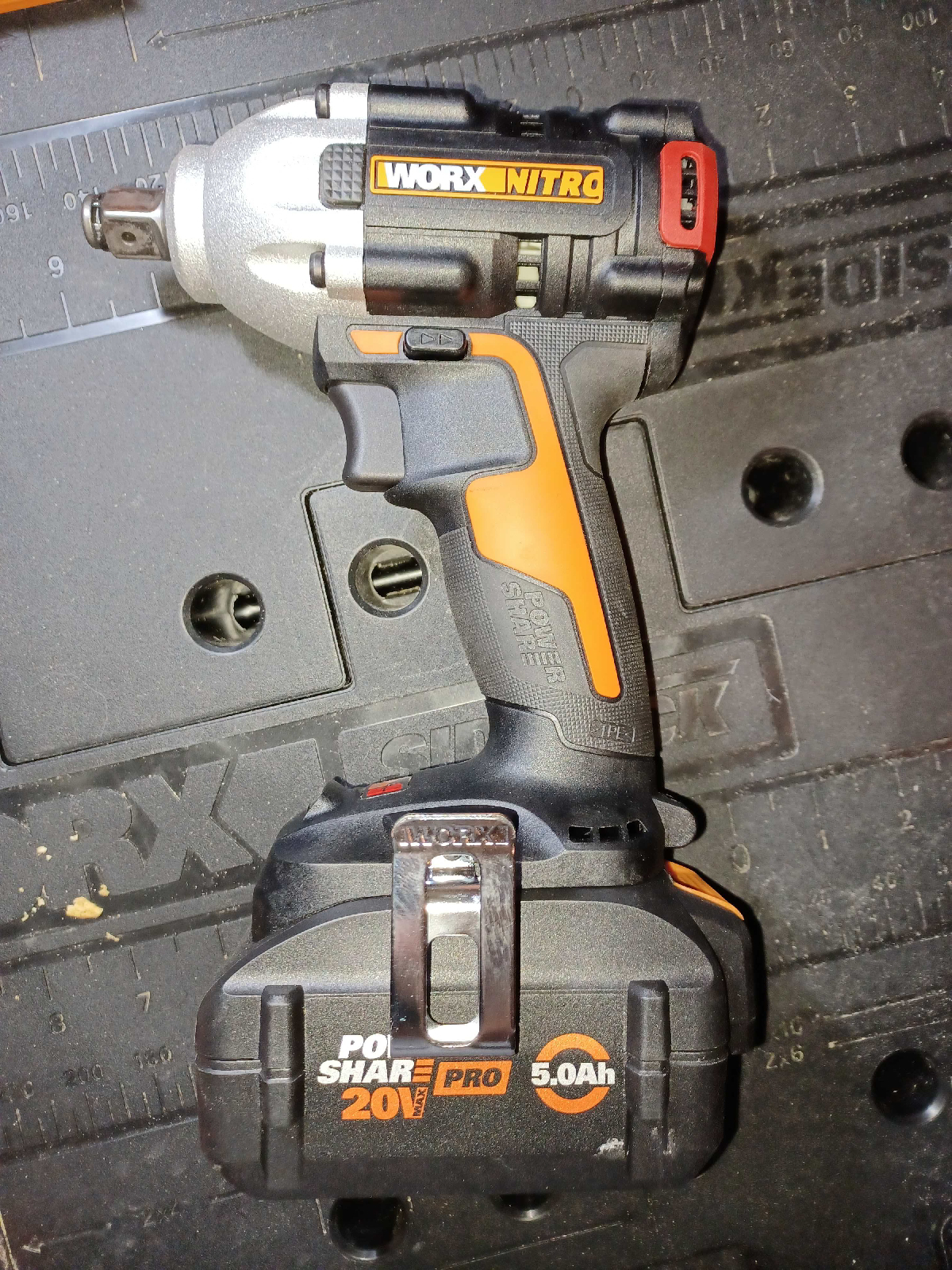


At which point I explained to her that while, yes, manual tools CAN (sometimes) get the job done, the entire point and purpose of tools isn't just to get it done, but to get it done both better AND safer.
Powered tools make doing a job safer by removing repetitive movements thus reducing repetitive movement injuries like carpal tunnel and ligament damage.
Just like I sing the praises of powered screwdrivers, I also embrace powered wrenches. Both of these save time and sanity from the endless monotony of too many minutes of one's life being tossed into the abyss of long threads. They also save one's fingers, wrists, even elbows from endless, repetitive movement.
I'd also like to mention the reduction of busting your fingers and hands against walls, hoods, car bodies, etc... from too little space for both tool and hand AND movements.
Powered wrenches and screwdrivers and other such tools are brilliant and a godsend to the professional technician and D.I.Yer alike.
Manual tools do come in handy still, sometimes even necessary when you need that fine control that you get when you can feel how much pressure you apply. When you can feel the amount and type of resistance you're dealing with.
For the most part though, the powered versions deal with the bulk of the work. The tedious, monotonous, repetitive, boring but necessary tasks.
The manual tools are always necessary for the simple, brief tasks. The once in a blue moon tasks. The plan B for if the powered tools go down but the job needs to be finished.
But if you are an active and ambitious D.I.Yer or someone who uses tools all the time as a technician in some way, then it is in your best interest to get the powered version and save yourself time, effort, injury, and frustration.
And no, you're NOT being lazy. You're working smarter, not harder.

Comments
Post a Comment